
Custom Crating for Oversized Aerospace Components
Custom Crating for Oversized Aerospace Components
Moving sensitive flight equipment requires intense planning and flawless execution. Standard shipping containers can’t accommodate the massive scale and extreme fragility of fuselages, satellite dishes, and jet engines. Bay Area Crating Services offers custom aerospace crating to ensure these assets remain entirely secure from the factory floor to their final destination.
The Challenges of Moving Aerospace Equipment
Relocating massive flight components involves risks far beyond standard industrial freight. Manufacturers face several distinct obstacles when preparing these parts for transit:
- Irregular Shapes and Extreme Dimensions – Aerospace parts rarely fit into standard rectangular boxes. Wing sections, fuselage panels, and engine mounts are asymmetrical and exceptionally large. Securing these components requires custom-built support structures that cradle the item’s exact shape.
- Extreme Sensitivity to Movement – Despite their massive size, flight components are incredibly delicate. Precision-engineered parts such as turbine blades and avionics equipment can sustain microscopic damage from minor impacts or vibrations. Aerospace crating must actively dampen these forces to prevent structural failures.
- Strict Compliance and Export Regulations – The aerospace sector operates under intense regulatory scrutiny. Domestic and international shipments must meet strict guidelines to cross borders and enter facilities. Proper documentation and certified packing materials are mandatory to avoid border delays and heavy fines.
Essential Features of Protective Packaging
To overcome these logistical hurdles, we design custom aerospace crating tailored to each component’s vulnerabilities. These enclosures provide multi-layered defense mechanisms. Features include:
- Precision-Engineered Support Structures – Because standard boxes fail to support asymmetrical loads, custom-fit internal bracing is crucial. We use heavy-duty reinforced wood to build a shell around the item. Inside, custom blocking and bracing hold the equipment firmly in place. This prevents any shifting during heavy braking or turbulence.
- Shock and Vibration Isolation – Our heavy-duty enclosures feature shock-mount bases and floating platforms. These systems suspend the aerospace components in a crate, isolating them from road or air vibrations. Additionally, specialized anti-static foam inserts wrap around sensitive electronic controls to prevent electrostatic discharge.
- Complete Environmental Protection – Moisture, dust, and temperature fluctuations pose severe threats to flight hardware. Changing climates can cause corrosion on exposed metals or damage composite materials. Specialized enclosures utilize vacuum-sealed vapor barriers and desiccants to maintain a dry, controlled internal atmosphere.
Equipment That Requires Specialized Packaging
Different types of manufacturing machinery and flight hardware require distinct protection strategies. The best crates for the aerospace industry adapt to the payload. Types of equipment that require specialized packaging include:
- Avionics and Control Systems – Flight control centers and navigation panels act as the electronic brain of an aircraft. These systems are highly sensitive to static electricity and sudden impacts. Packaging for these items focuses heavily on anti-static foam, moisture barriers, and extensive cushioning.
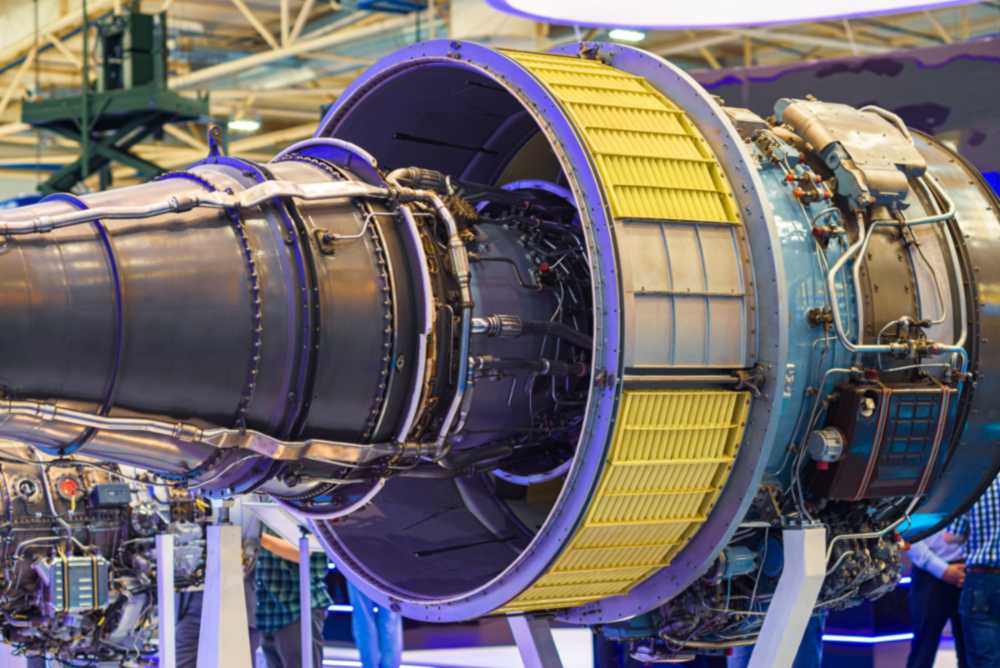
- Aircraft Engines and Turbines – Jet engines contain thousands of finely balanced, tightly packed components. They’re incredibly heavy but easily damaged by excess vibration. Enclosures for engines use reinforced, heavy-duty bases and heavy-duty ratchet straps to safely anchor the massive weight.
- Structural Assembly Machinery – The machines used to build aircraft, such as five-axis CNC machines, composite layup stations, and riveting systems, are just as critical as the planes themselves. Moving these massive factory tools requires custom skids, reinforced bases, and strategic tie-downs to maintain their precise calibrations during a factory relocation.
Frequently Asked Questions
What Materials Are Used in Aerospace Crating?
We primarily use heavy-duty, certified plywood and heat-treated lumber for the exterior shell. The interiors feature high-density foam, rubber shock mounts, anti-static bubble wrap, and vapor barrier bags to provide comprehensive protection.
Do These Containers Meet International Shipping Standards
Yes. We build containers that comply with all major international regulations, including ISPM-15 for wooden materials. Our professional packers also adhere to IATA standards for air freight and specific MIL-SPEC requirements for military shipments.
How Do You Move an Oversized Container Once It’s Packed?
Moving these massive loads requires specialized heavy-lifting equipment. Warehouses use overhead cranes, high-capacity forklifts, and heavy-duty rigging systems to safely load the containers onto flatbed trucks or cargo planes.
Protect Your Aerospace Assets in Transit
Transporting massive flight hardware demands a deep understanding of logistical risks. Choosing the right packaging strategy prevents catastrophic damage, maintains regulatory compliance, and keeps expensive manufacturing projects on schedule. If you’re preparing to move high-value flight components or factory machinery, contact Bay Area Crating Services for custom aerospace crating solutions. We’ll help you create a packaging plan that mitigates risks and ensures smooth delivery to your new location.