
Why Crate Material Selection Defines the Success of Every Export Shipment
Why Shipping Crate Materials Matter for Export Shipments
When shipping products internationally, success depends on far more than just packing an item into a box. Export shipments face long transit times, multiple handling points, changing climates, and strict international regulations. One of the most critical factors in ensuring a smooth journey is crate material selection. At Bay Area Crating Services, choosing the right materials is the foundation of protecting your cargo and ensuring it reaches its destination without delays or damage.
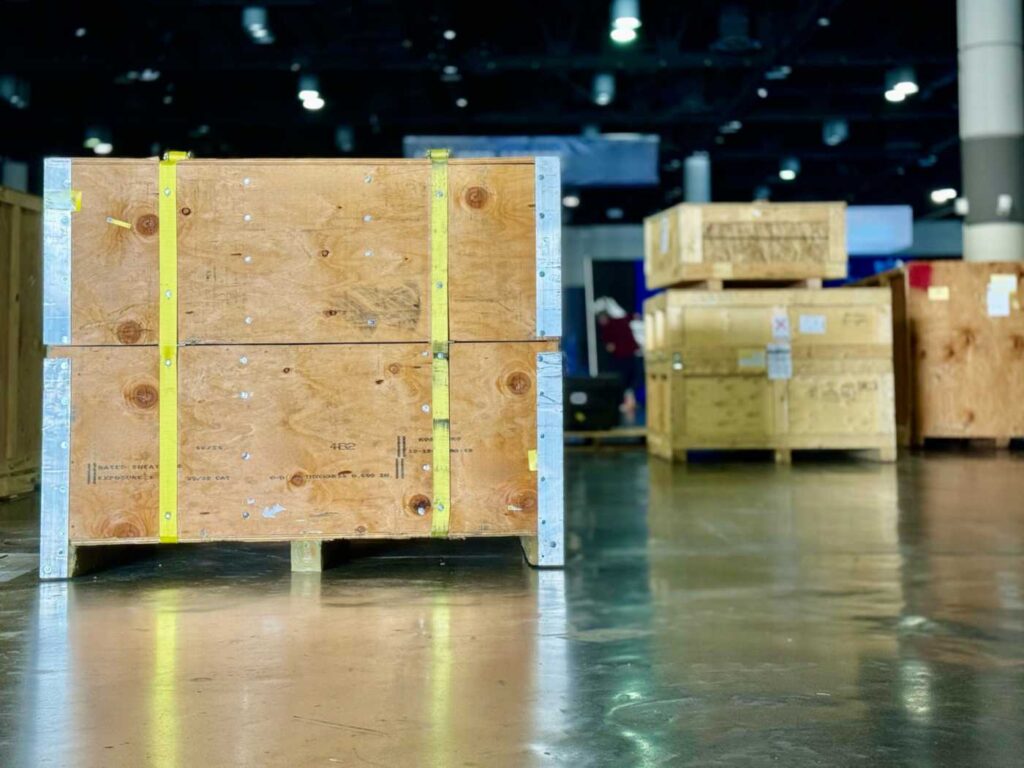
The Role of Crate Materials in Export Shipping
Export crating is not a one-size-fits-all solution. The materials used must be carefully selected based on the product’s weight, fragility, destination, and mode of transportation. A poorly chosen material can lead to structural failure, moisture damage, or even customs rejection.
Crates must withstand stacking pressure, vibration, and environmental exposure throughout the shipping process. In many cases, they also need to meet strict international standards to ensure compliance. Export crates are engineered systems designed to withstand stress, moisture, and handling conditions.
Common Materials Used in Export Crating
Different materials offer different advantages depending on the shipment. Selecting the right combination ensures both protection and efficiency.
- Solid Wood (Heat-Treated Lumber) – Strong and durable, solid wood is ideal for heavy equipment and industrial shipments. It must meet international standards for export.
- Plywood and Engineered Wood – Lightweight yet sturdy, plywood and engineered wood are often used for panels and crates where reduced weight is important. These materials are typically exempt from certain international treatment requirements due to their manufacturing process.
- Hardwood Options – Hardwood may be used for high-value or extremely heavy shipments that require extra strength.
- Composite or Alternative Materials – These include plastics or engineered panels that offer moisture resistance and reusability in certain applications.
Why Compliance Matters: Understanding ISPM-15
One of the most important considerations in crate material selection is compliance with international shipping regulations, especially ISPM-15.
ISPM-15 is a global standard that regulates wood packaging materials used in international trade. It requires solid wood components to be heat-treated or fumigated and stamped to certify compliance. Failure to comply can result in serious consequences:
- Shipments being delayed or rejected at customs
- Additional costs for re-treatment or disposal
- Significant disruptions to supply chains
Key Factors to Consider When Choosing Crate Materials
Choosing the right international shipping crate material is a strategic decision that impacts the entire shipping process. Important considerations include:
- Weight and Load Requirements – Heavy machinery requires stronger materials like reinforced wood or hardwood.
- Fragility of the Item – Delicate equipment may require cushioning materials combined with rigid outer structures.
- Shipping Method – Air freight often benefits from lightweight materials, while ocean freight requires moisture-resistant solutions.
- Environmental Exposure – Humidity, temperature changes, and salt air can all affect crate performance, and you may need to meet moisture resistance compliance standards.
- Destination Regulations – Different countries may have specific compliance requirements for packaging materials.
The Impact on Cost & Efficiency
Material selection affects safety and directly influences shipping efficiency and overall costs. Using overly heavy materials can increase freight costs, especially for air shipments where weight is a major pricing factor. On the other hand, underestimating structural needs can lead to damaged goods and expensive replacements.
Well-chosen materials help:
- Optimize crate weight and reduce shipping expenses
- Improve handling efficiency during loading and unloading
- Minimize the need for excess packing materials
- Reduce the risk of delays or damage
Avoiding Common Crating Mistakes
Many export issues stem from improper material selection. Some of the most common mistakes include:
- Using non-compliant wood that lacks proper treatment or certification
- Choosing materials that cannot withstand transit stress or stacking
- Ignoring moisture protection for ocean shipments
- Overbuilding crates, leading to unnecessary weight and cost
- Underestimating the importance of engineered design
Why Professional Crating Expertise Matters
Selecting crate materials is not just about picking wood or panels. It requires engineering knowledge, regulatory awareness, and industry experience. Bay Area Crating Services will assess every detail of your shipment to design a solution that ensures safety and compliance.
From selecting the right lumber to incorporating moisture barriers and structural reinforcements, our expert crating services eliminate guesswork and reduce risk. This level of precision is essential for businesses shipping high-value or sensitive equipment across borders.
Call Us to Build Smarter & Ship Safer
Crate material selection defines whether your shipment arrives intact, on time, and without costly complications. By choosing the right materials and working with experienced professionals, you can protect your products, streamline logistics, and maintain confidence in your supply chain.
If you’re planning an export shipment, Bay Area Crating Services is here to help. Our team specializes in designing custom crating solutions that ensure compliance, durability, and efficiency every step of the way. Contact us today to get started and ship with confidence.