
Hidden Risks of Improper Foam Inserts in Medical Device Shipments
Improper Foam Inserts in Medical Device Shipments
Medical devices are among the most sensitive, expensive, and critical assets any organization can transport. Many logistics managers assume that throwing any standard foam insert into a box will offer enough protection during transit. However, poor foam selection and incorrect placement routinely create significantly more risk than protection.
Protecting high-value shipments requires tailored solutions for medical equipment crating and shipping that account for the cargo’s unique vulnerabilities. By prioritizing proper materials and precise engineering, Bay Area Crating Services ensures your tools arrive intact and ready for immediate use.
How Foam Inserts Protect Sensitive Assets
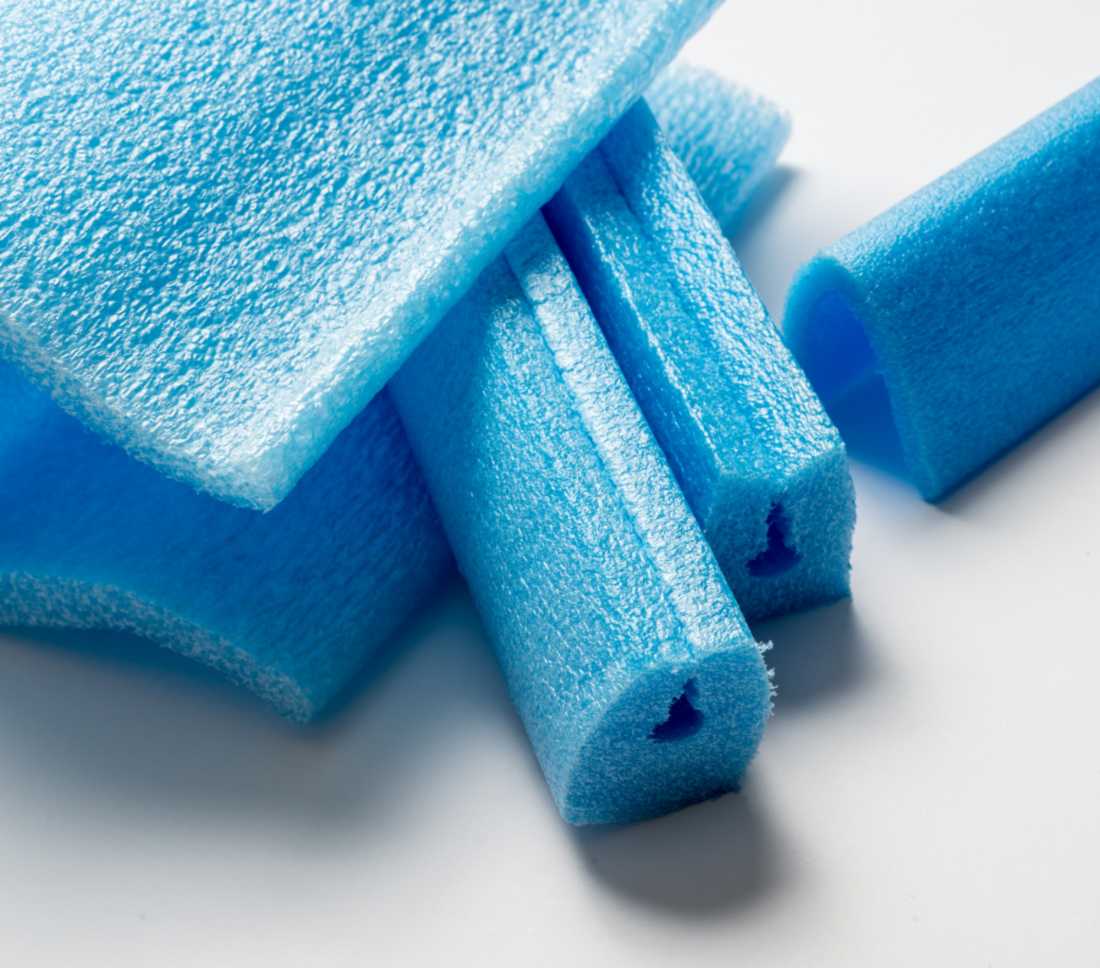
Foam inserts act as shock absorbers within custom shipping crates. When correctly engineered, they isolate delicate equipment from the sudden impacts, constant vibration, and intense compression forces naturally encountered during transport. For effective protection, the foam must match the device’s weight distribution, sensitivity profile, and overall fragility.
Generic foam inserts might absorb a minor impact, but they fail to control how kinetic energy travels through the packaging. A custom foam solution integrates precise shock and vibration control. It’s designed to respond to the structural behavior of the device, minimizing any internal movement that could cause catastrophic component damage.
Common Dangers of Inadequate Foam Use
Relying on off-the-shelf foam introduces several invisible threats to your shipments. These risks often compromise the equipment without leaving any visible damage on the shipping crate itself:
- Inadequate Shock Absorption – Many healthcare devices are built on precise internal fixtures. Poorly designed foam can actually transfer the energy from drops or rough handling directly into the equipment. This unwanted energy transfer can easily result in structural misalignment, cracked circuit boards, or a complete loss of calibration. The device might look fine on the outside while being completely non-functional internally.
- Incorrect Foam Density – If the foam density doesn’t match the device’s weight profile, it may compress far too quickly or rebound unpredictably. This causes internal components to shift or rub against sensitive surfaces, leading to friction wear or microscopic fractures. Proper crating for medical equipment requires carefully calculated foam densities that match the cargo’s precise mass.
- Static Damage – Certain medical components feature highly sensitive electronics that are vulnerable to electrostatic discharge. Standard foam may actually generate static electricity during transit. It can also fail to shield sensitive parts from external static fields. Engineered anti-static inserts prevent this invisible, yet highly destructive, form of damage.
- Moisture and Environmental Exposure – High humidity quickly degrades foam integrity and delicate equipment. Standard moisture-absorbing foam might lose its structural strength or inadvertently trap high humidity inside the crate. Engineered packaging solutions incorporate specialized humidity control and environmental sealing, which generic off-the-shelf inserts rarely provide.
- Hidden Movement – Crates frequently tilt, stack, and shift during long journeys. If the internal foam doesn’t fully secure the device, even minor internal movements can cause severe damage over time. Incorrect foam placement creates unseen stress points that warp delicate frames. This is especially true for laboratory equipment crating, where devices like centrifuges or mass spectrometers require absolute immobilization.
Engineering Principles Behind Effective Crating
Creating reliable foam inserts hinges on core design principles. First, our professionals use load-path engineering to evenly distribute physical forces across the device’s strongest parts, preventing dangerous stress concentrations. This ensures that the predictable forces encountered during transport are managed safely.
Material science is also crucial for protecting your cargo. Different foams have unique properties. For instance, closed-cell foam resists moisture and provides consistent cushioning under heavy loads, while open-cell foam softly absorbs energy but is less suitable for heavy machinery. Accurate measurements are equally important. Packaging engineers use advanced CAD software to model device dimensions and simulate foam placement, ensuring a flawless fit and eliminating guesswork in shaping the inserts for maximum protection.
Finally, engineered foam inserts undergo rigorous vibration and shock testing. These simulations of real-world conditions, from rough loading docks to bumpy long-distance transport, allow technicians to calibrate the foam’s thickness and density. This data-driven approach ensures the packaging effectively controls vibration and protects the valuable contents throughout the journey.
Regulatory Compliance and Strategic Cost Reduction
Protecting the equipment physically represents only one part of the shipping equation. Regulatory compliance heavily impacts labeling, required documentation, and environmental controls.
Custom packaging solutions ensure compliance with complex industry standards while offering substantial long-term cost savings. Non-compliant crates can be held at customs checkpoints for weeks, causing severe delays that compromise time-sensitive healthcare deliveries. Our medical equipment crating integrates the correct physical markings, hazard communication standards, and essential shipping documentation to ensure smooth transit.
Additionally, custom packaging solutions reduce the staggering costs associated with equipment damage. Minimizing damage practically eliminates expensive repair and replacement bills. Tailored crates can also reduce overall shipping costs by maximizing space efficiency and reducing the need for excessive, bulky packaging materials.
Contact Us Today for Expert Foam Solutions
Safeguarding medical and laboratory equipment during transit requires a proactive approach to packaging design. Custom foam inserts are critical components that preserve the functionality and safety of life-saving technology. By understanding the distinct risks associated with improper foam use, logistics managers can make informed decisions to protect their assets. If you’re looking for guidance on securing your high-value healthcare shipments, contact Bay Area Crating Services today. We’ll find the right foam solution for your specific needs.